


How to Identify Water Leakage in Your Home Before It Gets Worse
Water leakage is one of the most common yet dangerous problems homeowners face—especially in regions like Gujarat, where extreme heat, monsoon rains, and construction variations can accelerate structural damage. The biggest issue? Most leaks start small and go unnoticed until they become expensive repairs.
In this detailed guide, you’ll learn how to detect water leakage early, the warning signs you should never ignore, and practical steps to prevent long-term damage.
🔍 Why Early Detection of Water Leakage Is Important
Water leakage isn’t just about visible dampness. It can lead to:
- Structural damage (cracks, weakened walls)
- Mold and mildew growth
- Electrical hazards
- Higher repair costs
- Reduced property value
Early detection = lower cost + less damage
🚨 Common Signs of Water Leakage in Homes
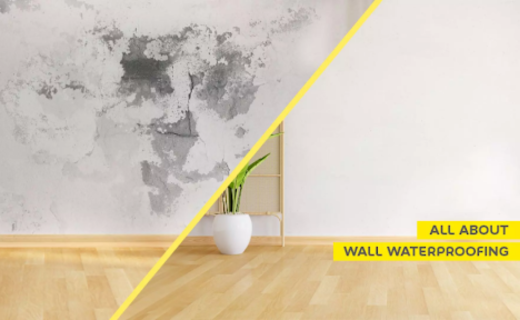
1. Damp Spots on Walls & Ceilings
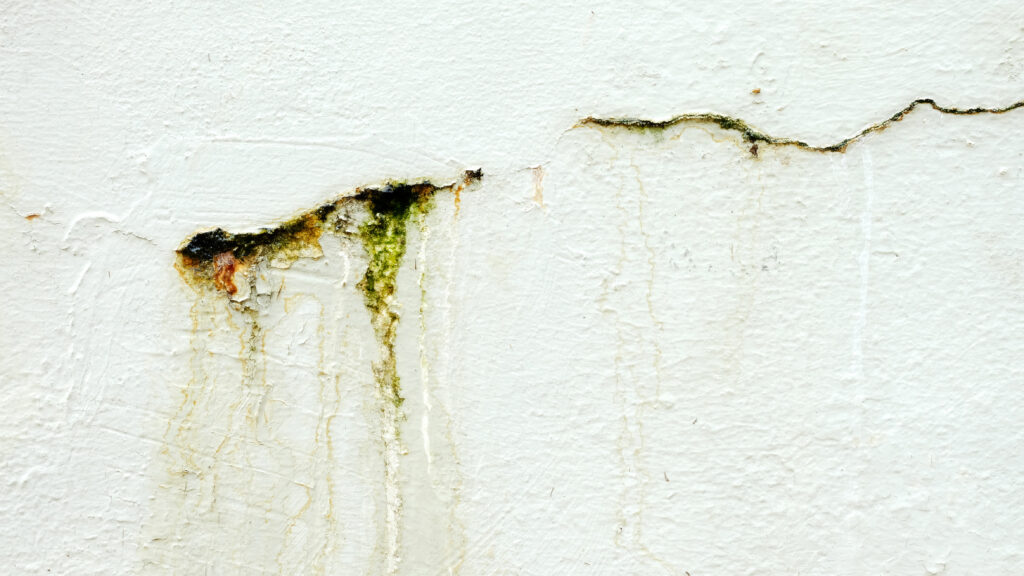
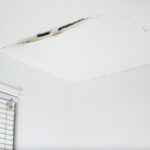
One of the earliest signs of leakage is damp or dark patches on walls or ceilings.
What to Look For:
- Yellow or brown stains
- Paint peeling or bubbling
- Soft or swollen plaster
👉 These usually indicate roof leakage or internal pipe issues
2. Peeling Paint or Wallpaper
Moisture behind walls breaks the bond of paint or wallpaper.
Signs:
- Cracks in paint layers
- Paint flaking off easily
- Bubbling surfaces
👉 Often caused by hidden seepage inside walls
3. Musty or Damp Smell
If your home smells damp even after cleaning, it’s a strong indicator of hidden leakage.
Why it happens:
- Water accumulates in closed areas
- Leads to mold and fungal growth
👉 Common in bathrooms, kitchens, and basements
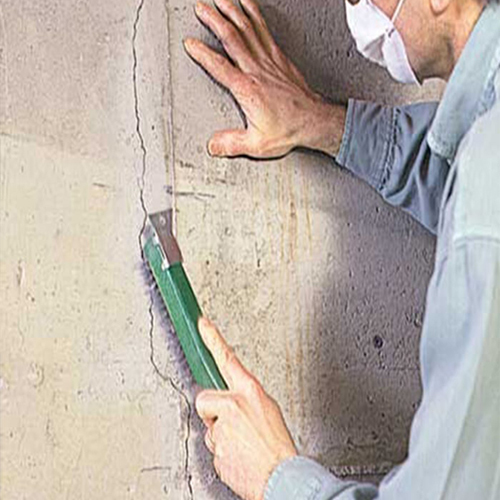
4. Cracks in Walls or Ceilings
Not all cracks are structural—but when combined with moisture, they indicate leakage.
Watch for:
- Horizontal cracks
- Expanding cracks over time
- Cracks with damp edges
👉 Could be due to roof seepage or foundation moisture
5. Sudden Increase in Water Bills
Sometimes leaks are completely hidden.
Signs:
- Unexpected rise in water bill
- Continuous water meter movement
👉 Indicates pipe leakage inside walls or undergro
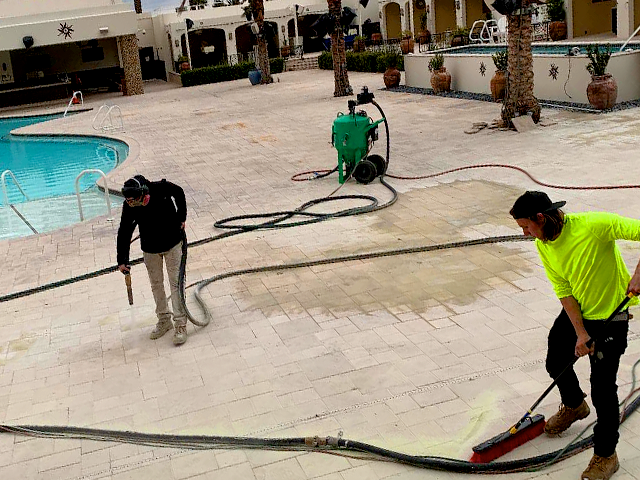
6. Wet Floors or Tiles Lifting
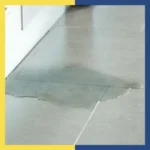
Water trapped under flooring can cause:
- Tile lifting
- Hollow sounds when tapped
- Persistent wet patches
👉 Common in bathrooms, kitchens, and balconies
7. Roof Leakage During Rain
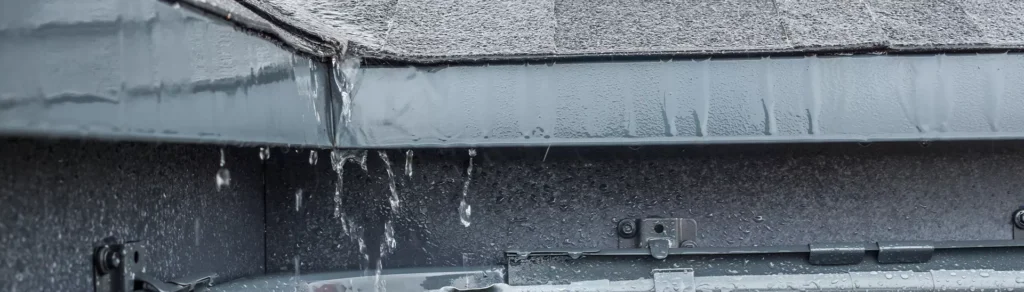
Monsoon season reveals most hidden leaks.
Warning signs:
- Dripping water
- Ceiling stains
- Damp corners
👉 Indicates poor waterproofing or cracks on terrace
🏠 Areas Where Leakage Commonly Occurs
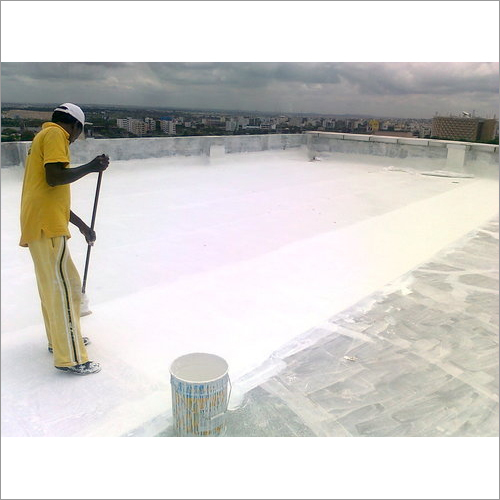
1. Terrace & Roof
- Cracks in concrete
- Damaged waterproofing layers
- Read more: Terrace Waterproofing Services
2. Bathrooms
- Pipe leakage behind tiles
- Poor tile grouting
- Explore: Bathroom Waterproofing Solutions
3. External Walls
- Rainwater seepage
- Poor plastering
Check: External Wall Waterproofing
4. Water Tanks & Plumbing Lines
- Tank cracks
- Pipe joint leakage
- Learn: Water Tank Waterproofing
🛠️ Simple Methods to Detect Leakage Early
✔️ 1. Water Meter Test
- Turn off all water taps
- Check meter movement
👉 If it moves → hidden leak
✔️ 2. Tissue Test for Pipes
- Wrap tissue around joints
- Check for moisture after a few hours
✔️ 3. Visual Inspection After Rain
- Check ceilings and corners
- Look for fresh damp patches
✔️ 4. Tap Sound Test on Walls
- Hollow sound = possible moisture inside
⚠️ What Happens If You Ignore Leakage?
Ignoring leakage can lead to:
- Structural weakening
- Electrical short circuits
- Health issues (mold allergies)
- Expensive repairs later
💡 A small leak today can become a major renovation tomorrow
💡 Preventive Tips to Avoid Water Leakage
- Regular roof inspection (especially before monsoon)
- Use high-quality waterproofing materials
- Fix cracks immediately
- Ensure proper drainage on terrace
- Seal joints and gaps
🧰 When Should You Call a Professional?
Call an expert if:
- Leakage persists despite repairs
- Multiple areas show dampness
- Mold growth increases
- Structural cracks appear
Contact: Waterproofing Experts in Rajkot
- Roof Waterproofing Services
- Bathroom Leakage Repair
- Terrace Crack Repair Solutions
- External Wall Waterproofing
- Contact Waterproofwala
❓ FAQs
Q1. How do I confirm hidden water leakage?
Use a water meter test or check for damp smells and wall patches.
Q2. Is water leakage dangerous?
Yes, it can damage structure and cause health issues due to mold.
Q3. Can leakage be fixed permanently?
Yes, with proper waterproofing and professional treatment.